
What Happens After Submission? A Plain Language Guide to the Peer Review Timeline
Submitting your manuscript to a journal is a major milestone but for many authors, the real uncertainty begins after submission. What happens next? Why does it take time? And what do all those status updates mean? This blog provides a simple, step-by-step explanation of the peer review timeline, helping authors submitting to UTJ better understand the process.
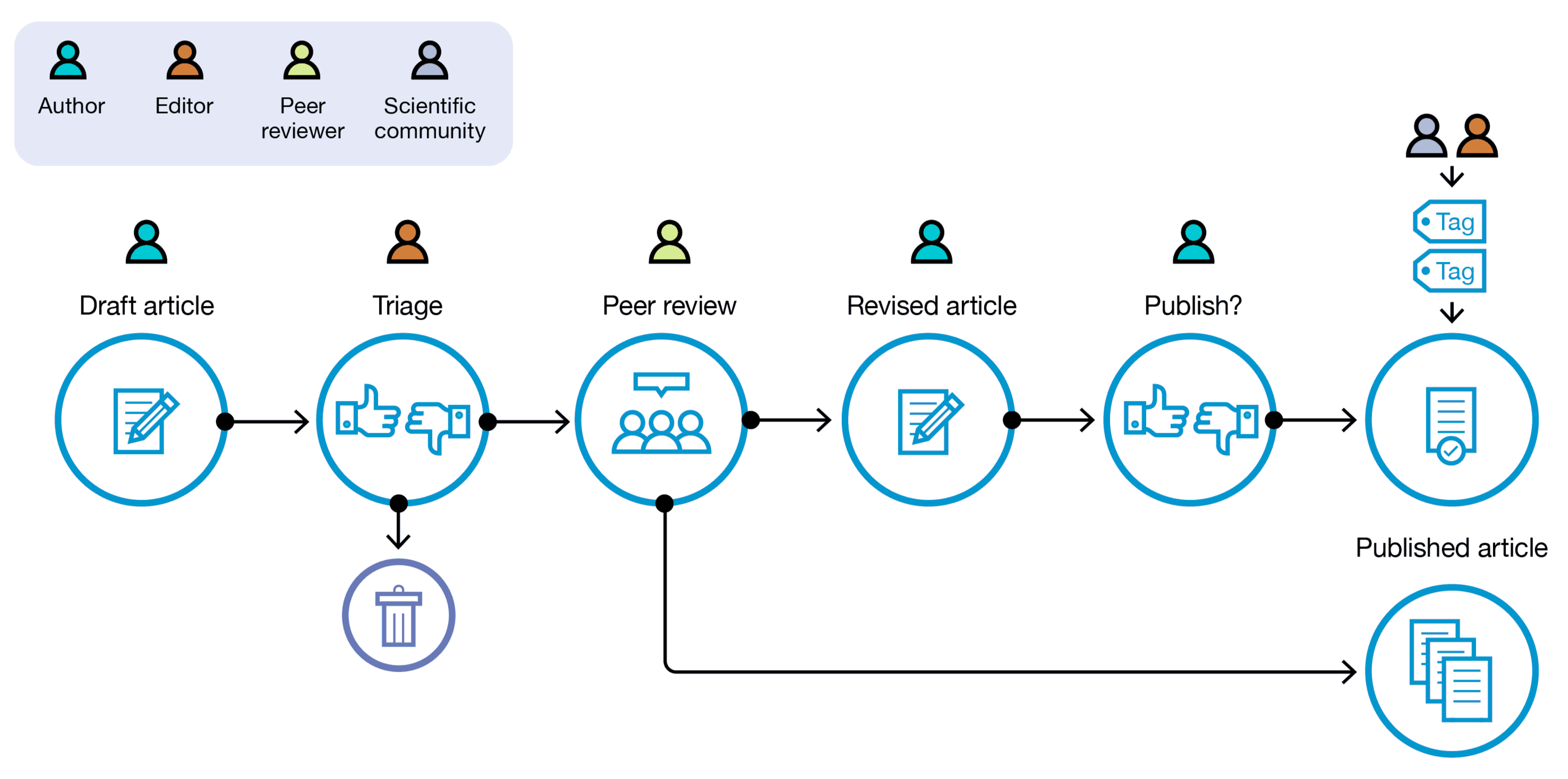
Initial Checks (1–10 Days)
Once you submit your manuscript, it does not immediately go to reviewers. Instead, the editorial office performs a technical and ethical screening, checking:
- Formatting and completeness
- Plagiarism and originality
- Ethical compliance
- Alignment with journal scope
This stage is critical many papers are rejected here if they do not meet basic requirements. For UTJ authors strictly follow the author guidelines, including formatting, referencing, and submission requirements.
Editor Assignment (Few Days to 1 Week)
If your manuscript passes the initial check, it is assigned to an editor or editorial board member. The editor will evaluate the relevance and quality, decide whether to send it for peer review, or issue a desk rejection. Editors act as gatekeepers, ensuring only suitable manuscripts proceed further.
Reviewer Invitation (1–2 Weeks)
If the paper is suitable, the editor invites independent experts (reviewers). This stage can take time because reviewers are busy researchers, several invitations may be needed, Typically, journal aim to secure at least 2–3 reviewers.
Peer Review Process (3–8 Weeks or More)
This is the core stage where your manuscript is evaluated. Reviewers assess originality and novelty, methodological rigor, validity of results, contribution to the field. Delays are common and usually due to reviewer availability not editorial inefficiency.
First Decision (After Reviews Received)
Once reviews are submitted, the editor makes a decision. Common outcomes include:
- Minor Revision – Small changes required
- Major Revision – Significant improvements needed
- Reject – Not suitable for publication
- Accept – Rare at first decision
These decisions are based on reviewer feedback and editorial judgment.
Revision Stage (2–8 Weeks for Authors)
If revisions are requested, authors must address reviewer comments carefully, provide a response-to-reviewers document, resubmit within the deadline. For major revisions, the paper may go back to reviewers for another round.
Final Decision and Acceptance
After revisions, the editor makes the final decision:
- Accepted → moves to production
- Further revision required
- Rejected (in rare cases after revision)
Production and Publication (2–6 Weeks)
Once accepted, your paper enters the production stage:
- Copyediting and formatting
- Proofreading
- Final publication (online or issue-based)

Typical Timeline Overview
| Stage | Approximate Time |
| Initial checks | 1–10 days |
| Editor assignment | 1 week |
| Reviewer invitation | 1–2 weeks |
| Peer review | 3–8 weeks (or longer) |
| First decision | 1–3 months |
| Revision | 2–8 weeks |
| Final decision + publication | 2–6 weeks |
What Do Status Updates Mean?
Common statuses you may see:
- Under Review → Reviewers are evaluating your paper
- Reviewer Invited → Editor is contacting reviewers
- Major/Minor Revision → Changes required
- Accepted → Congratulations!
- Rejected → Submission declined
Understanding the peer review timeline helps reduce anxiety and improve planning. For UTJ authors are encouraged to follow submission guidelines carefully, ensure clarity and novelty, respond professionally to reviewer feedback