What a Strong Reviewer Report Looks Like in UTJ: A Practical Guide for Reviewers
Peer review is the foundation of academic publishing. A well-written reviewer report not only helps editors make informed decisions but also supports authors in improving the quality of their work. However, many reviewers especially early-career researchers are uncertain about what constitutes a strong and effective review. At the Ubiquitous Technology Journal (UTJ), reviewers are expected to provide structured, constructive, and objective feedback.
This guide outlines the key elements of a high-quality reviewer report and how you can contribute meaningfully to the scholarly publishing process.
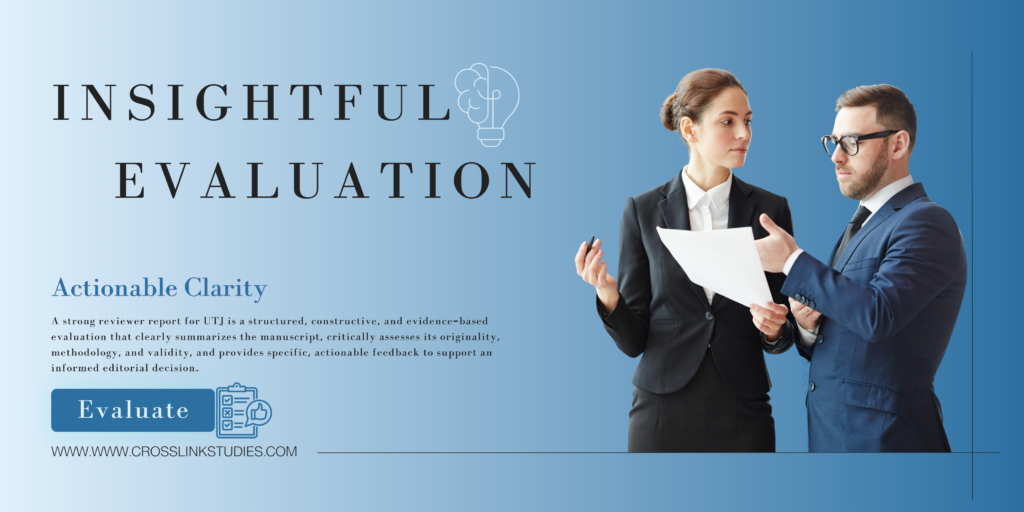
Begin with a Clear Summary of the Manuscript
A strong review starts with a brief summary. This should include the purpose of the study, the methodology used, key findings or contributions. This demonstrates that you have understood the manuscript and sets context for your evaluation.
Evaluate the Overall Contribution
Reviewers should assess the significance of the research. As consider is the topic relevant to UTJ’s scope? does the paper offer original insights? does it contribute to existing knowledge? Editors rely on this evaluation to determine the manuscript’s value.
Provide Structured and Specific Feedback
Effective reviewer reports are organized and detailed.
You should comment on:
- Clarity of objectives and research questions
- Appropriateness of methodology
- Accuracy and interpretation of results
- Strength of discussion and conclusions
Avoid vague comments and be specific and actionable.
Maintain a Constructive and Professional Tone
A strong reviewer report is respectful and supportive. focus on improving the manuscript, not criticizing the author, use neutral and professional language, highlight both strengths and weaknesses. Constructive feedback encourages authors to revise effectively.
Identify Major and Minor Issues
Organize your feedback into categories:
Major Issues:
- Fundamental problems (methodology, originality, structure)
Minor Issues:
- Grammar, formatting, clarity, references
Assess Ethical and Academic Integrity
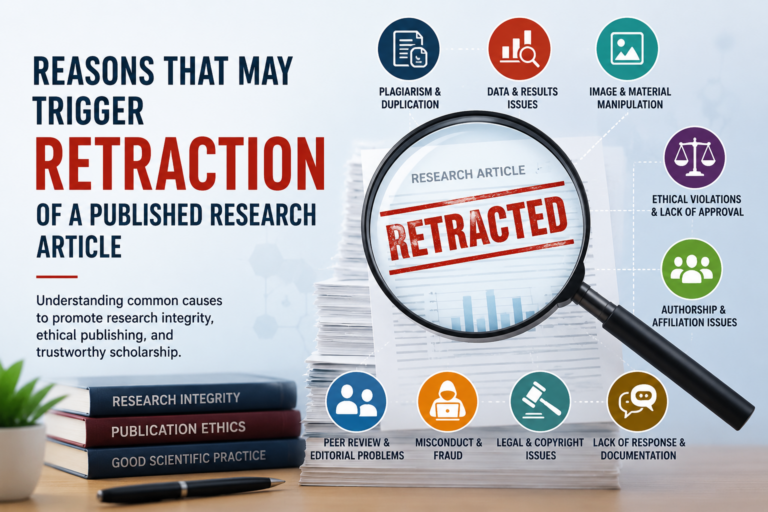
Reviewers play a key role in maintaining publication ethics. Be alert to possible plagiarism, duplicate publication, ethical concerns in data or methodology. Report concerns confidentially to the editor.
Provide Clear Recommendations
At the end of your review, include a recommendation:
- Accept
- Minor Revision
- Major Revision
- Reject
Ensure your recommendation aligns with your comments.
Keep the Review Balanced and Objective
Avoid bias in your evaluation. Such as base comments on evidence and academic standards, do not allow personal opinions to influence judgment, evaluate fairly regardless of author background. Objectivity strengthens the credibility of the review process.
Respect Confidentiality
Manuscripts under review are confidential documents. Reviewers must not share the manuscript, not use unpublished data for personal research, maintain anonymity (if required). Confidentiality is a core principle of peer review.
Be Timely and Responsible
Timely reviews are essential for efficient publishing. Accept review requests only if you can meet deadlines. Submit your report within the given timeframe. Delays can affect authors and the overall publication process.
Quick Reviewer Checklist
Before submitting your report, ensure:
✔ Summary of manuscript included
✔ Feedback is clear and structured
✔ Major and minor issues identified
✔ Tone is professional and constructive
✔ Ethical concerns addressed
✔ Recommendation provided